Hearing loss is common and treatable

One in six adults 18 and older have hearing loss.1 Learn all about hearing loss here. Plus, what you can do to treat it.

hearing-loss

What is hearing loss?

Hearing loss is the reduction in our ability to hear certain sounds and affects 432 million adults worldwide.2 Because it is gradual, it's important to be aware of hearing loss signs.

2. Source: World Health Organization

Find out if you have hearing loss

Test your hearing now. Our free online hearing test takes just 5 minutes.

Hearing loss impacts all aspects of your life

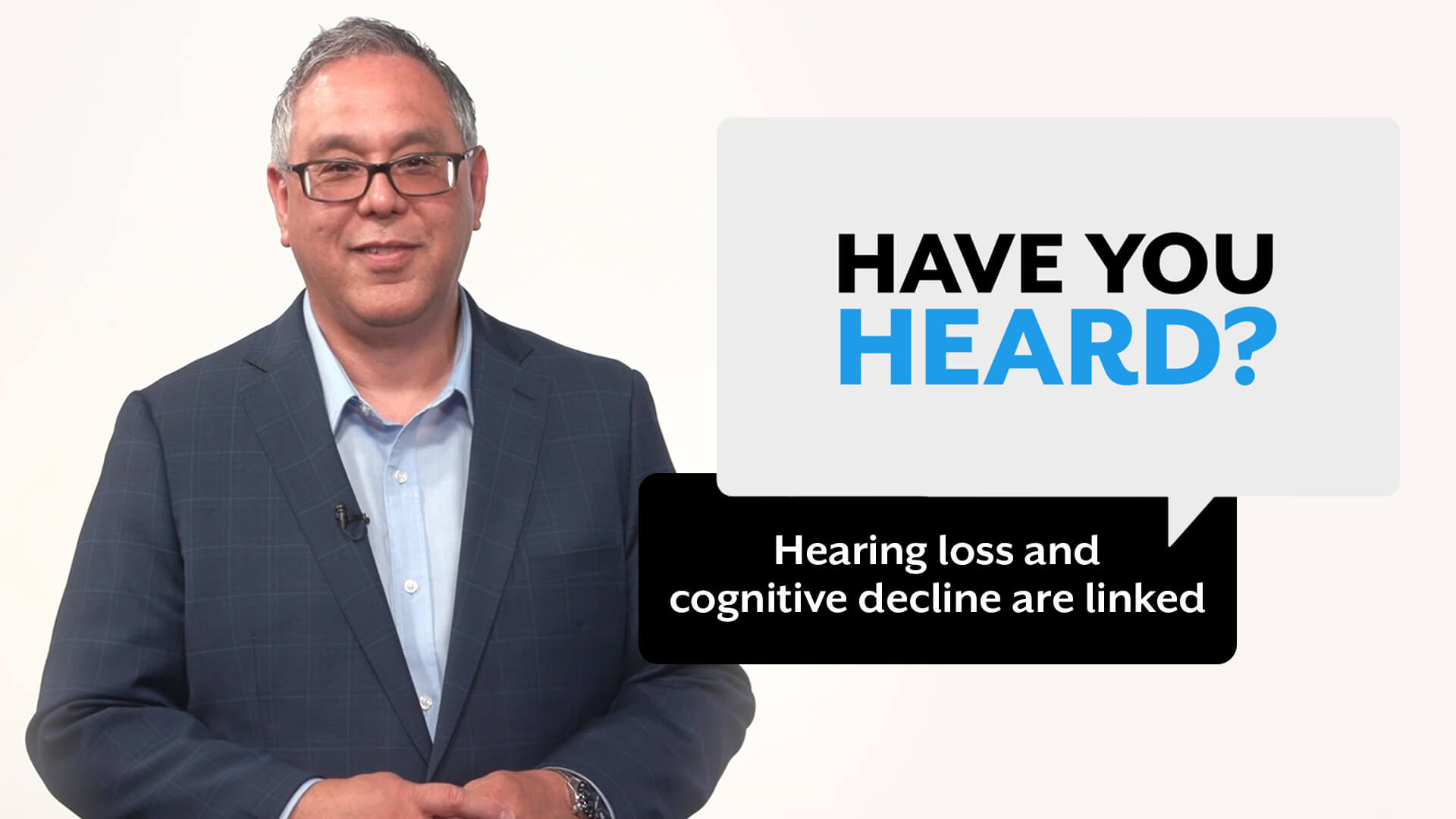
Hearing plays a major role in our emotional well-being, physical health, and overall quality of life. Yet millions of people with hearing loss let it go untreated, despite research showing increased risk of falls, depression, anxiety, and dementia.

5 steps to better hearing

When you hear better, you live better. Our step-by-step guide explains how to live a healthy hearing life.

Frequently asked questions

Most of the time hearing problems begin gradually without discomfort or pain. What's more, family members often learn to adapt to someone’s hearing loss without even realizing they are doing it. Here are some questions to ask yourself to determine whether you have hearing loss.

Read more >

There are three types of hearing loss including: sensorineural hearing loss, conductive hearing loss and mixed hearing loss. Most people lose at least some degree of their hearing as they age, and by the time they reach age 65 and older, one in three people has some type of hearing impairment.

Read more >

There are several causes. The main ones include excessive noise, genetics, birth defects, infections of the head or ear, aging, and reaction to drugs or cancer treatment. Each type of hearing loss has different causes.

Read more >

Only 13 percent of physicians routinely screen for hearing loss. Since most people with hearing impairments hear just fine in quiet environments (like your doctor's office), it can be very difficult for your physician to recognize this problem. Only a trained hearing professional can determine the severity of your hearing problem, whether or not you could benefit from a hearing aid, and which type would be best for you.

This list of questions can help you get the answers you need from a hearing specialist >

Hearing loss can occur at any time, at any age. In fact, most people with hearing loss (65 percent) are younger than age 65! There are 6 million people in the US ages 18–44 with hearing loss, and around 1.5 million are school age.

Audiologists specialize in testing, evaluating and treating hearing loss. Hearing Aid Dispensers and Specialists are trained in fitting and dispensing hearing aids. Otolaryngologists specialize in the diagnosis and treatment of ear, nose, throat, head and neck disorders.

Read more >

The use of face masks and social distancing is proven to reduce speech audibility, as well as eliminate important lip-reading cues, both key to understanding speech. Hearing aids — and features like our Edge Mode and Mask Mode — help offset speech audibility loss in numerous ways and can help make it easier to hear people who are wearing masks.

Learn more >

Ready to take the next step?

get_started_card_icon
Talk to an expert

Chat now or call us at (888) 481-5512

Call now
get_started_card_icon
Schedule an appointment

Meet with a local hearing healthcare professional.

Schedule
get_started_card_icon
Where to buy

Find a clinic near you that sells Starkey hearing aids.

Find local clinic